The European Green Belt
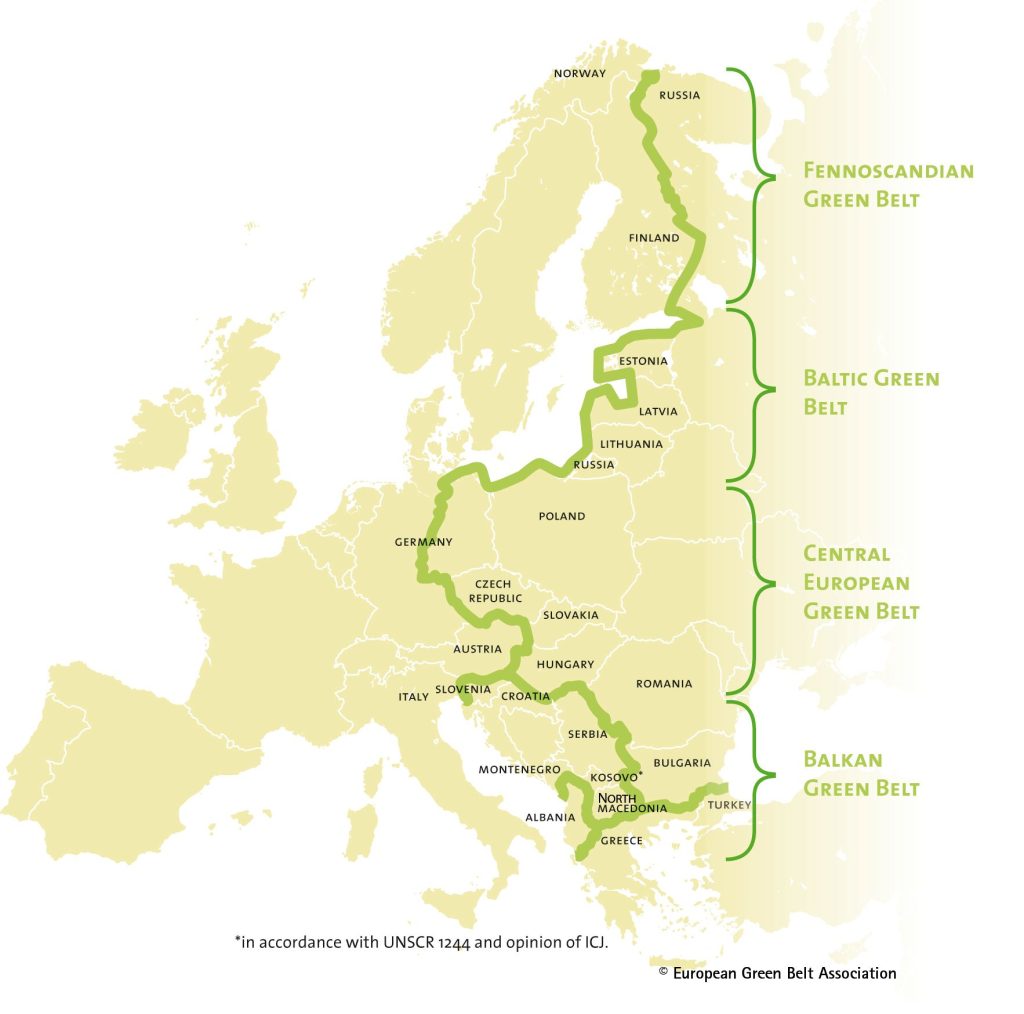
The European Green Belt (EGB) is a unique network of ecologically important habitats and protected natural areas, a green corridor extending along the former Iron Curtain from Finland to Turkey. It is currently under pressure due to increasing land use and the impact of human activities. In particular, land urbanization (or artificialization) leads to the loss and fragmentation of habitats, while the construction of barriers limits the natural dispersion of European plant species and the freedom of movement of European wildlife.
For more information: https://europeangreenbelt.org
The ReCo Project: Restoration of the Karst Heathland
The ReCo project, with a partnership of 11 members and 6 countries involved (Italy, Slovenia, Poland, Czech Republic, Germany, Austria), focuses on the Central European Green Belt to experiment with a joint conservation strategy that is replicable on a larger scale and can serve as a reference for future European policies. The approach is based on the use of geo-information systems and data processing, the sharing of best practices at a transnational level, and the direct involvement of communities and stakeholders to enhance funding and activities.
At the heart of the project are six pilot actions, from which common guidelines for habitat and species restoration and protection will emerge.
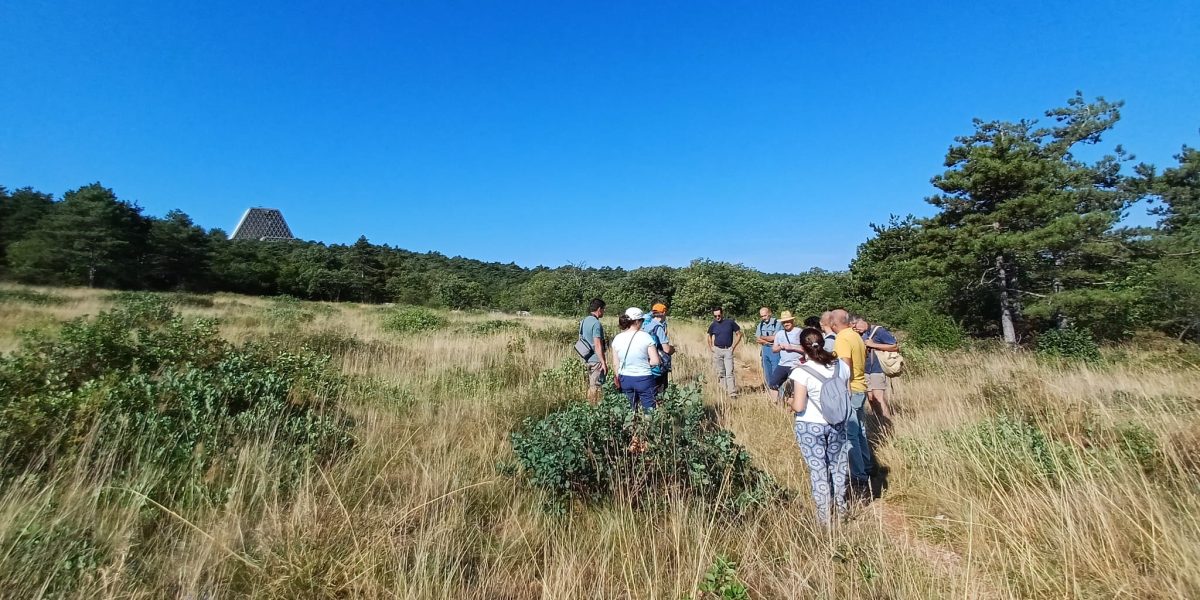
Among these, the AMP Miramare, as the coordinating body of the Miramare Biosphere Reserve and the Trieste coastal area, will lead a pilot action aimed at restoring the karst heathland in the Pian del Grisa area.
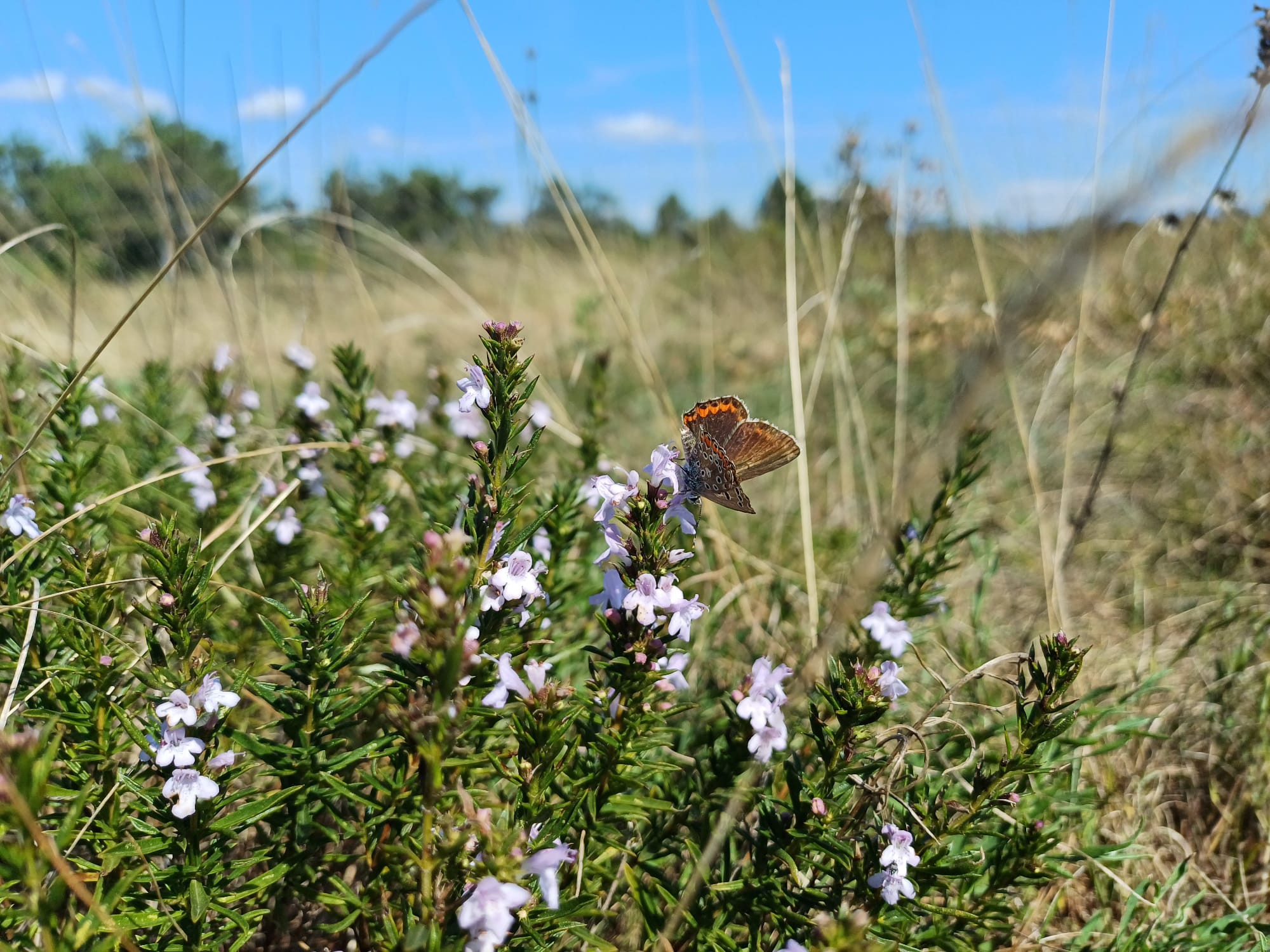
The restoration interventions on the Trieste plateau, concentrated in the area north of the Marian Sanctuary, aim to expand the karst heathland habitat by countering the ongoing encroachment of the forest, caused by the abandonment of traditional land use for pastoral activities. Renewing the heathland in some of its original sites will reconnect areas that were contiguous until a few decades ago, thus preserving biodiversity. Field activities will be accompanied by community engagement and awareness-raising events, in order to foster new collaborations for the future maintenance of the habitat.
Specifically, the pilot action will involve the WWF AMP Miramare experts and local stakeholders in:
The ReCo Project: Other Pilot Actions
In addition to the WWF Foundation, five other partners of the ReCo project will lead additional pilot actions, described below.
Restoration measures implemented in parallel on the German and Czech sides of the border focus on ecological conservation and connectivity of small water bodies, peat bogs, and wetlands, through the creation of ecological corridors, dismantling drainage systems, and removing non-native reforestation. Increasing water retention capacity will improve the habitat for freshwater pearl mussels, a highly threatened species.
This action focuses on revitalizing and conserving alpine meadows in the Karavanke mountains, with particular attention to a flagship species: mountain daffodils. Operations include mowing, pruning, soil clearing, and ongoing monitoring. The initiative will be accompanied by virtual reality-based informational points, enabling visitors to experience the blooming season virtually beyond springtime.
In the Škocjanski Zatok nature reserve, restoration measures are being implemented to address the challenges posed by climate change to wetland ecosystems, particularly coastal ones. The intervention includes habitat mapping, bird monitoring, and the creation of two mudflats using specialized equipment. The goal is to improve habitats for Natura 2000 sites and bird species that breed, nest, and live within the reserve.
On the Czech side, the Podyjí National Park will create three ponds and a wetland area to improve biodiversity and connectivity in a historically wet meadow near Znojmo. In Lower Austria, the Thayatal National Park will release and monitor two individuals of the endangered European wildcat (Felis sylvestris), as well as manage meadows, remove invasive species, create new forest areas, and restore a wetland. These actions will enhance the habitat and its function as an ecological corridor for the wildcat, while also providing insights into population sizes and migration routes.
In the Ińsko Lakes region in northern Poland, this action focuses on strengthening migration routes for another endangered species, the European bison (Bison bonasus), by acquiring GPS collars to monitor the movements and behaviors of the animals. Conservation strategies include breeding programs, habitat management, and initiatives for the natural diversification of herds. Goals also include minimizing human-wildlife conflicts and promoting coexistence, all aimed at increasing both the population size and the range of the bison.
For more information: https://www.interreg-central.eu/projects/reco/